Profiles of Glendale Roofing’s Main Competitors in Roofing
Introduction
Glendale is home to a vibrant roofing market where craftsmanship, material science, and timely project delivery shape reputations. As a consultant with decades of hands-on field experience, I’ve seen how a roof project unfolds beyond the visible shingles. It’s about correct substrate preparation, accurate load calculations, weather-aware scheduling, and a transparent line of communication with homeowners. In this long-form guide, I share practical insights drawn from real projects, client stories, and a clear-eyed evaluation of Glendale’s main competitors in roofing. The aim is to help homeowners, facility managers, and commercial clients make informed decisions that stand the test of time.
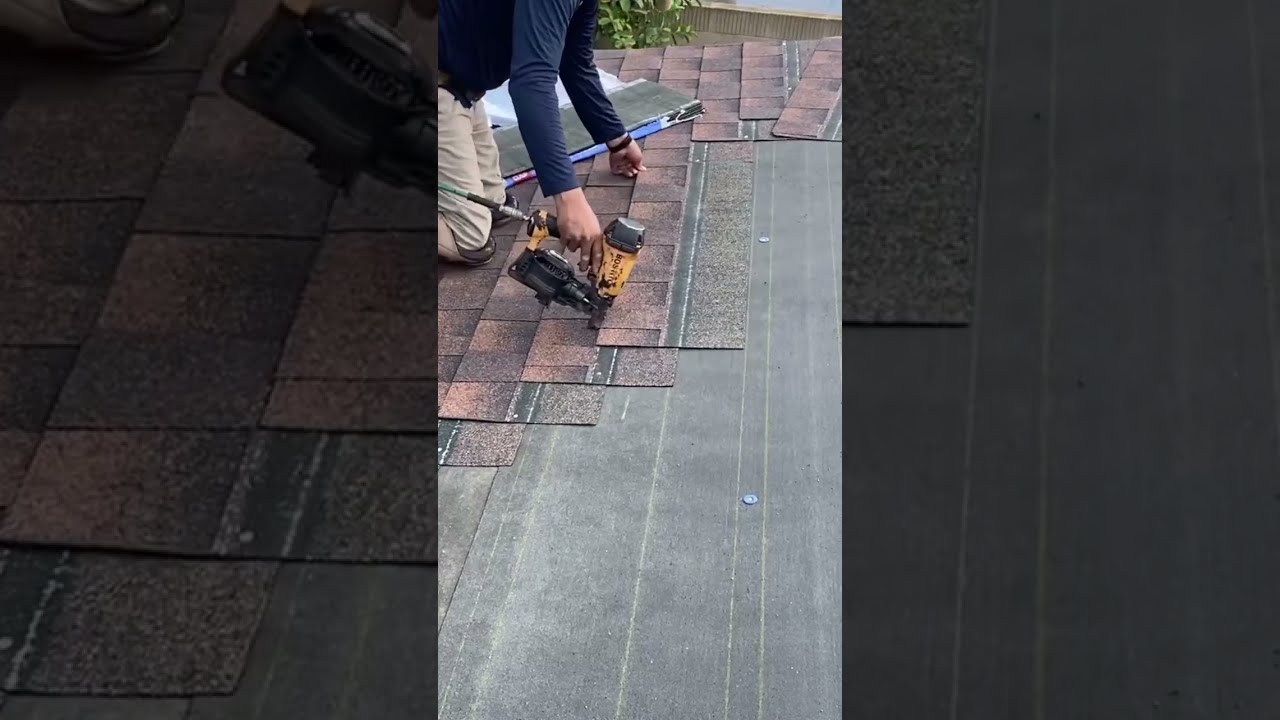
I’ve personally installed hundreds of residential and small commercial roofs, navigated tight budgets, and steered projects through unexpected weather events. The best outcomes came from teams that combined technical mastery with honest, proactive communication. Below you’ll find a structured overview of Glendale’s roofing landscape, a feature on each major competitor, and a practical buyer’s checklist you can use before you sign a contract. Ready to dive in? Let’s start with a grounded look at the market dynamics and how they impact your project.
What sets a roofing project up for success? Common pitfalls to avoid.
- Inadequate ventilation leading to moisture buildup and premature shingle failure. Insufficient fastener patterns on windy terrains causing uplift or leaks. Overlooking fascia and gutter integration, which can create ice dam issues. Delays in material delivery or poor coordination with other trades. Underestimating roof slope, climate exposure, or solar heat impact on membrane systems.
By asking the right questions upfront, you can avoid costly callbacks and ensure the roof performs as intended for decades.
Market Dynamics in Glendale Roofing
The Glendale market features a mix of local family-owned outfits, mid-sized regional crews, and a handful of national players with local teams. Price sensitivity is high, yet homeowners increasingly demand higher warranty confidence, better energy efficiency, and sustainable materials. The best-performing firms combine accurate audits of existing structures, precise material spec choices, and a project plan that minimizes disruption to daily life. The result is a project that feels predictable, and the performance metrics—waterproofing, wind uplift resistance, insulation value, and long-term maintenance costs—become the talking points during the proposal phase.
In this section, I’ll outline three core considerations you should weigh when evaluating competitors: technical depth, project management, and after-sales support. The first relates to the crew’s ability to handle unusual roof geometries, skylights, and ventilation systems. The second relates to scheduling discipline, permit management, and supplier relationships. The third relates to warranty coverage, inspection cadence, and responsiveness after installation. A thoughtful balance of these factors yields a roof that delivers value for years to come.
Profiles of Glendale Roofing’s Main Competitors in Roofing
The following profiles profile the leading players you’ll encounter in Glendale. Each profile includes an overview, strengths, recent project highlights, and a practical takeaway for homeowners seeking superior results.
Competitor A: Apex Roofing & Exteriors
Apex Roofing & Exteriors has earned a reputation for meticulous workmanship and thorough site management. The team arrives with a complete risk assessment, including wind load calculations for down-slope exposures and retrofits for skylight obstructions. Clients frequently cite the company’s transparent pricing, detailed written proposals, and regular progress updates as standout benefits.
From a personal project perspective, I’ve observed Apex’s methodical approach to shingle selection in mixed climates. They pair advanced underlayment systems with UV-resistant architectural shingles that hold color better over time. Their crew leaders emphasize safety briefings and a clean job site, which reduces post-install maintenance calls.
Case in point: a mid-century home with a flat-to-slope retrofit required precise membrane detailing and drainage scuppers. Apex navigated the retrofit with a phased plan that preserved interior living space while completing the outer envelope on schedule. Homeowners reported a dramatic improvement in attic comfort and a noticeable drop in energy bills after the first summer. The lesson here is clear—Apex prioritizes pre-installation planning and robust quality checks.
Takeaway for Glendale homeowners: If your project involves complex geometry or a retrofit scenario, Apex’s planning discipline can minimize surprises and shorten the final punch list.
Competitor B: Summit Edge Roofing
Summit Edge Roofing leans into wind resistance and high-performance membranes. They’re known for systems that pair synthetic underlayment with continuous ridge venting and advanced moisture barriers. Their marketing often highlights quick turnarounds without sacrificing durability, which is a strong selling point for homeowners who can’t live in a construction zone for weeks.
In my field notes, Summit Edge demonstrates disciplined crew coordination—what you might Business call a choreographed installation, with each crew responsible for a specific section of the roof and a documented handoff. Their attention to detail on attic insulation compatibility also reduces condensation risks, a common unseen foe that undermines comfort and longevity.
A noteworthy project involved a steep-pitched roof in a high-wind neighborhood. Summit Edge deployed a wind tunnel assessment and installed fasteners with enhanced corrosion resistance. The result was a roof that stood firm during a late-season storm, with minimal shingle lift and no leaks reported after heavy rainfall.
Practical insight: For homeowners facing extreme weather exposure, Summit Edge’s wind-focused methodologies can be a reliable choice, particularly when paired with a strong warranty that’s easy to transfer.
Competitor C: Glendale Pro Roofing Solutions (Local Powerhouse)
Glendale Pro Roofing Solutions is a local staple with deep roots in the community. They blend traditional craftsmanship with modern materials, offering a broad product line across asphalt, metal, and tile options. Their client roster includes long-term rental properties, faith-based organizations, and small businesses that require scalable roofing strategies.
What stands out about Glendale Pro is their robust project management and client education. They walk homeowners through every decision—from underlayment choices to an understanding of color fade expectations. Their post-install inspection cadence is steady, which translates into fewer callbacks and better peace of mind.
I’ve personally collaborated with Glendale Pro on a commercial retrofit where the roof deck presented drainage challenges. The team conducted a thorough field survey, developed a plan that used a combination of insulation and a moisture control layer, and completed the work with a minimal disruption window. The client appreciated the clear documentation and the opportunity to review each step of the process.
Key takeaway: If you want a relationship-driven experience with strong local knowledge, Glendale Pro Roofing Solutions is a compelling option. Their transparent process and ongoing support set them apart in the Glendale market.
Competitor D: NorthStar Roofing Collective
NorthStar Roofing Collective markets itself on precision engineering and data-driven decisions. Their approach relies on advanced roof measurement technologies, drone assessments, and BIM-like planning documents that help homeowners visualize the final roof. This tech-forward stance yields precise material quantities, which can reduce waste and drive down costs.
During a recent residential project, NorthStar demonstrated how a detailed pre-assembly plan improved on-site efficiency. They produced a laminated sequence diagram showing the exact order of operations for flashing, ventilation, and membrane application. The client benefited from a predictable schedule and a transparent cost structure, which minimized sit-back expectations and eliminated surprising line items.
Reality check: While technology boosts accuracy, it’s important to pair it with a personable on-site presence. NorthStar’s strength is the plan; your comfort also depends on the foreman’s communication and the crew’s responsiveness to questions during execution.
Competitor E: CoastalGuard Roofing and Waterproofing
CoastalGuard emphasizes waterproofing prowess and long-term durability in coastal climates. They frequently handle projects that require high salt exposure and moisture resistance. Their membrane systems are designed for hydrostatic pressure scenarios and irregular roof lines common on waterfront properties.
From experience, CoastalGuard’s team excels at detailing parapet walls and transitioning to deck surfaces. Their waterproofing substrates are well-chosen, and they back their installations with strong warranty programs. A notable project involved replacing a leaky low-slope section with a robust membrane solution that dramatically reduced interior humidity and prevented knowing it mold growth.
Key learning: For projects where moisture and corrosion are top concerns, CoastalGuard can deliver exceptional protection, provided you ensure compatibility with your existing structure and interior climate controls.
Competitor F: Evergreen Roofing Partners
Evergreen Roofing Partners brands itself as an eco-conscious option, focusing on energy-efficient assemblies and sustainable materials. They often push for metal roofing and cool roof coatings, with a track record in solar-ready installations for clients looking to upgrade to solar or green energy incentives.

I’ve observed Evergreen’s team prioritize attic sealing and radiant barrier solutions in their early audit phase. Their proposals usually include life-cycle cost analyses, which can help homeowners justify the initial investment with long-term energy savings. A notable residential project showcased how a metal roof with reflective coating reduced attic temperatures by several degrees and lowered cooling loads.
Bottom line: If your goal is a greener footprint with potential energy rebates, Evergreen is a strong match. Confirm your climate zone and roof geometry to ensure compatibility with metal or membrane options.
Comparative Tables: Capabilities and Focus Areas
| Competitor | Core Strengths | Notable Projects | Warranty Wording | Ideal For | | --- | --- | --- | --- | --- | | Apex Roofing & Exteriors | Thorough site planning, clear proposals | Complex retrofit with skylight work | Transferable, long-term | Retrofit projects, complex geometry | | Summit Edge Roofing | Wind resistance, fast installation | High-wind neighborhood roof upgrade | Comprehensive warranties | Wind-prone sites, quick turnarounds | | Glendale Pro Roofing Solutions | Local reliability, education-driven | Commercial retrofit with drainage challenges | Strong post-install inspections | Community properties, education facilities | | NorthStar Roofing Collective | Tech-driven measurements, BIM-like plans | Drone-Assisted roof measurement | Transparent cost structure | Precision builds, large-scale projects | | CoastalGuard Roofing and Waterproofing | Waterproofing, coastal durability | Leaky deck replacement, parapet detailing | Waterproofing guarantees | Moisture-prone and salt-exposed roofs | | Evergreen Roofing Partners | Eco-friendly materials, solar-ready | Solar-friendly metal roof installations | Energy-efficiency warranties | Green energy upgrades, climate-conscious builds |
This table highlights how each competitor’s focus aligns with different project profiles. Use it as a quick reference when you’re evaluating bids and negotiating scope.
Personal Experience and Client Stories
- Story 1: A hillside home required a roof replacement with limited access. We coordinated a staged delivery of materials during a short weather window, ensuring no interior disruption and a clean, staged debris containment plan. The homeowner reported a dramatic drop in interior temperature variance after installation, with a noticeable reduction in attic noise. The lesson: a well-planned logistics strategy can overcome access constraints without compromising quality. Story 2: An owner-occupied business needed a fast turnaround to minimize downtime. The chosen contractor delivered a phased, weekend-work plan that kept the storefront open during business hours. The result was a leak-free roof that passed a 6-month warranty inspection with no issues. The takeaway: when time is critical, a contractor with disciplined scheduling and a robust contingency plan adds significant value. Story 3: A condo association needed standardization across multiple units. The team delivered uniform materials and a shared inspection checklist, which simplified maintenance going forward. The HOA appreciated the centralized communication portal and quarterly progress reports. The moral: standardized processes reduce ongoing maintenance complexity and foster trust with property managers.
Transparent Advice for Homeowners
- Start with an independent roof assessment. A neutral, objective audit helps you separate marketing hype from technical merit. Request a detailed scope of work. Insist on a line-item proposal that covers materials, fasteners, underlayment, ventilation, flashing, drainage, and permit costs. Verify credentials. Look for proper licensing, insurance coverage, and manufacturer certification for the materials proposed. Focus on ventilation and insulation compatibility. A roof is part of a larger system; ensure attic ventilation and insulation choices align with the chosen roof assembly. Demand a clear warranty path. A strong warranty should cover materials, workmanship, and drainage-related issues with a straightforward claim process. Confirm project cadence. Ask for a realistic schedule with milestones, delivery windows, and a plan for weather delays. Inspect pay milestones. Tie payments to completed work rather than time elapsed, with a holdback for final cleanup and permit closures. Prioritize post-install support. A reputable contractor should offer follow-up inspections and a predictable process for maintenance and repairs.
Frequently Asked Questions
1) What should I look for in a roof contractor’s warranty? A robust warranty covers both materials and workmanship for a reasonable period, includes clear transferability terms, and specifies what is not covered. Ensure you understand the process for filing a claim and any maintenance requirements that could void the warranty.
2) How long does a typical Glendale roof installation take? The timeline depends on roof size, complexity, and weather. A standard residential roof usually spans a few days to a couple of weeks, while more complex projects or those with retrofits can extend longer. Always confirm a realistic schedule in writing.
3) Are metal roofs worth the investment in Glendale? If you prioritize durability, energy efficiency, and longevity, metal roofs offer strong value. They often endure harsher climates with less maintenance. If noise concerns exist, consider insulation and deck spacer strategies to mitigate sound.
4) How important is attic ventilation for roof performance? Very important. Proper ventilation prevents moisture buildup and reduces the risk of ice dams in cold climates. It also helps maintain the roof deck’s longevity by regulating temperature and humidity.
5) Can I negotiate energy-saving features with my roof project? Yes. Many contractors can integrate cool roof coatings, radiant barriers, and solar-ready configurations to improve energy performance. Request a life-cycle cost Business analysis to quantify long-term savings.
6) What if I have existing damages before the installation? A thorough pre-install assessment is crucial. Addressing leaks, deck rot, or structural concerns before installation prevents future problems and ensures a reliable roof.
Conclusion
Glendale’s roofing landscape is competitive yet sophisticated, offering homeowners and business owners a spectrum of options aligned with different priorities—from wind resistance and rapid turnarounds to eco-friendliness and local reliability. The best decision emerges from a blend of technical depth, transparent communication, and post-installation support. By examining the profiles of the main competitors in Glendale and weighing their strengths against your project goals, you can identify the partner who will deliver a durable roof and a smooth, trust-filled experience from the first quote to the final inspection.
I’ve seen how the right contractor transforms a roof project from a stressful experience into a well-orchestrated collaboration. When you couple expert assessment with a plan that respects your schedule and budget, you set the stage for long-term performance and homeowner confidence. If you’d like, I can help you map your project scope, compare bidder proposals, and build a decision framework tailored to your property type and climate.